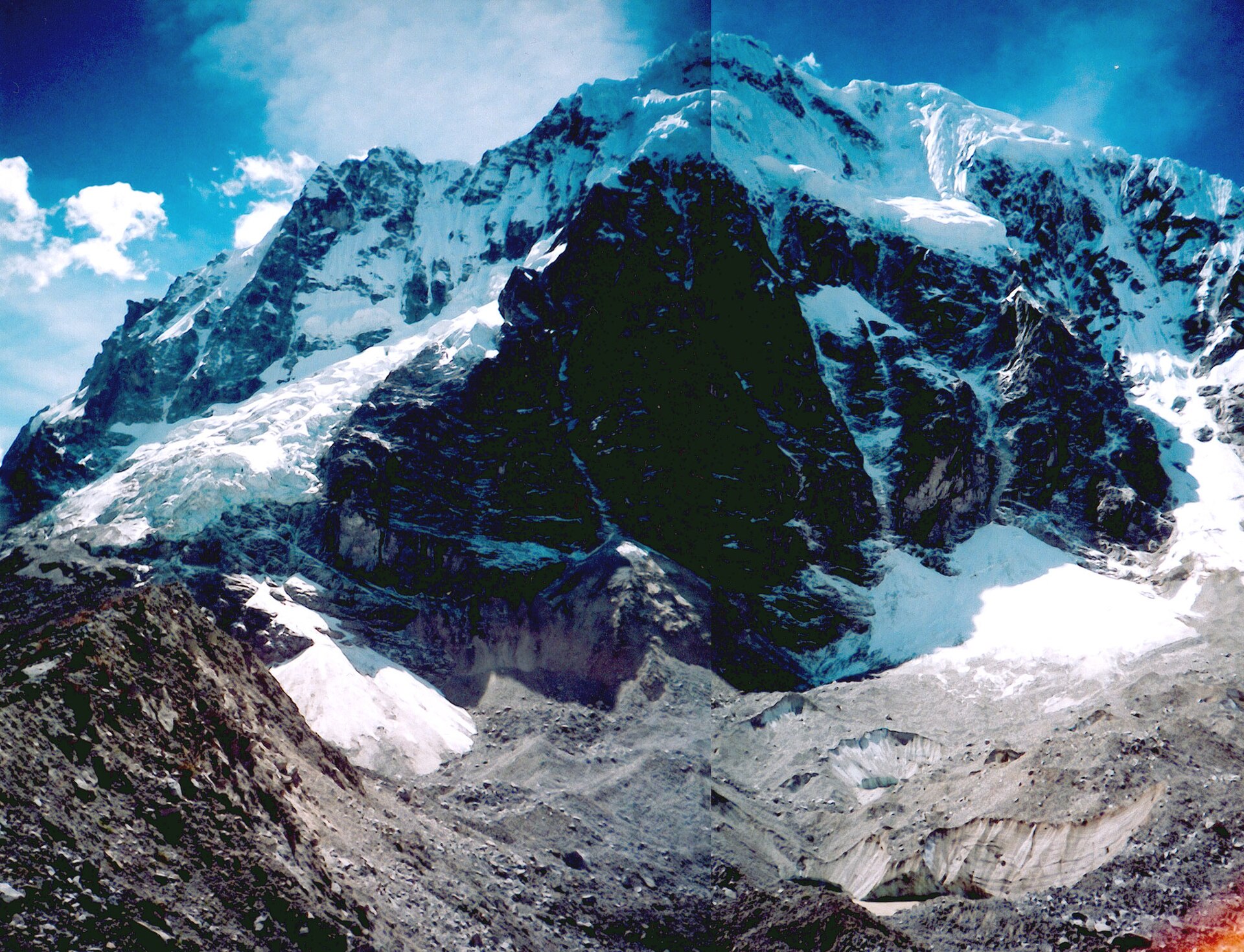
When Inca Trail permits sell out — which happens months ahead for the popular season — Salkantay is where most trekkers land instead, and for good reason: it’s widely considered the more physically dramatic of the two, passing directly beneath the 6,271m glaciated peak that gives the trek its name, at a higher maximum altitude than the Inca Trail itself.
The route’s defining feature is its range of scenery packed into five days: the high alpine approach to Salkantay Pass gives way, within a single day’s descent, to subtropical cloud forest, then working coffee and passion fruit farms, before the trail eventually joins the rail corridor into Aguas Calientes beneath Machu Picchu. Because there’s no permit system capping numbers, Salkantay can be booked far closer to departure than the Inca Trail, and trekkers get more flexibility on start dates and pace.
The trade-off is that Salkantay doesn’t end by walking directly into Machu Picchu through the Sun Gate — the final approach is by bus from Aguas Calientes — but for trekkers who want the mountain scenery and flexibility over the exact Inca-stonework experience, it’s the region’s most popular choice by a wide margin. The dry season from April to October offers the clearest views of Salkantay’s summit and the safest pass crossing.