Tripcamps
Choquequirao Inca ruins in the Peruvian Andes
Strenuous

Choquequirao Trek

A demanding round trip into the Apurímac canyon to reach ruins as large as Machu Picchu but visited by a fraction of the trekkers.

Photo: No machine-readable author provided. Yogsoth assumed (based on copyright claims). (CC BY-SA 3.0) · source

5 DaysDuration
3,033 mMax Altitude
64 kmDistance
April, May, June, July, August, September, OctoberBest Season

Choquequirao is often described as Machu Picchu’s sister site — comparable in scale, similarly perched on a ridge with sweeping mountain views — and yet it sees a small fraction of the visitors, precisely because reaching it takes real effort. There’s no train, no bus, no shortcut: the only way in is a steep, repeated descent and climb across the Apurímac canyon, each way.

That physical demand is exactly what keeps the site as quiet as it is. Trekkers typically have entire sections of the ruins to themselves, exploring terraces and plazas still being actively excavated, with condors a regular sight riding thermals above the canyon walls. The trail itself, while not reaching great altitude, is punishing in a different way — repeated 1,500m elevation swings in hot, exposed terrain make this one of the more physically demanding routes in the region despite its comparatively modest maximum altitude.

Because there’s no permit system here, Choquequirao can be booked with far less lead time than the Inca Trail, making it a strong choice for trekkers who decide late or specifically want to avoid crowds. April through October is best, avoiding both the wettest months and the most extreme canyon-floor heat.
Highlights

  • Choquequirao itself: an Inca site of comparable scale to Machu Picchu
  • A dramatic 1,500m descent and re-ascent of the Apurímac canyon, each way
  • A trail shared with only a handful of other trekkers most days
  • Condors regularly seen riding thermals above the canyon

Day-by-Day Itinerary

  1. 1

    Day 1: Cachora to Chiquisca

    A steep descent from the trailhead at Cachora (2,875m) down into the Apurímac canyon, camping partway down at Chiquisca.

  2. 2

    Day 2: Chiquisca to Choquequirao

    A continued descent to the Apurímac river, then a long, hot climb up the far side of the canyon to camp near the Choquequirao ruins themselves.

  3. 3

    Day 3: Exploring Choquequirao

    A full day exploring the Choquequirao complex — terraces, plazas, and the famous llama-motif terracing — with far fewer visitors than Machu Picchu.

  4. 4

    Day 4: Choquequirao to Chiquisca

    Retracing the route back down into and out of the Apurímac canyon, camping again at Chiquisca.

  5. 5

    Day 5: Chiquisca to Cachora

    A final climb back out of the canyon to the trailhead at Cachora, followed by the drive back to Cusco.

How to Reach

Cachora is roughly 4 hours by road from Cusco via Abancay; the trek is a round trip returning to the same trailhead, though some operators offer an extended one-way route continuing to Machu Picchu.

Permits & Essentials

No permit cap currently applies to Choquequirao, though a modest site entry fee is charged; mules are commonly used to carry gear given the steep, repeated elevation change.

More treks in Cusco & Sacred Valley

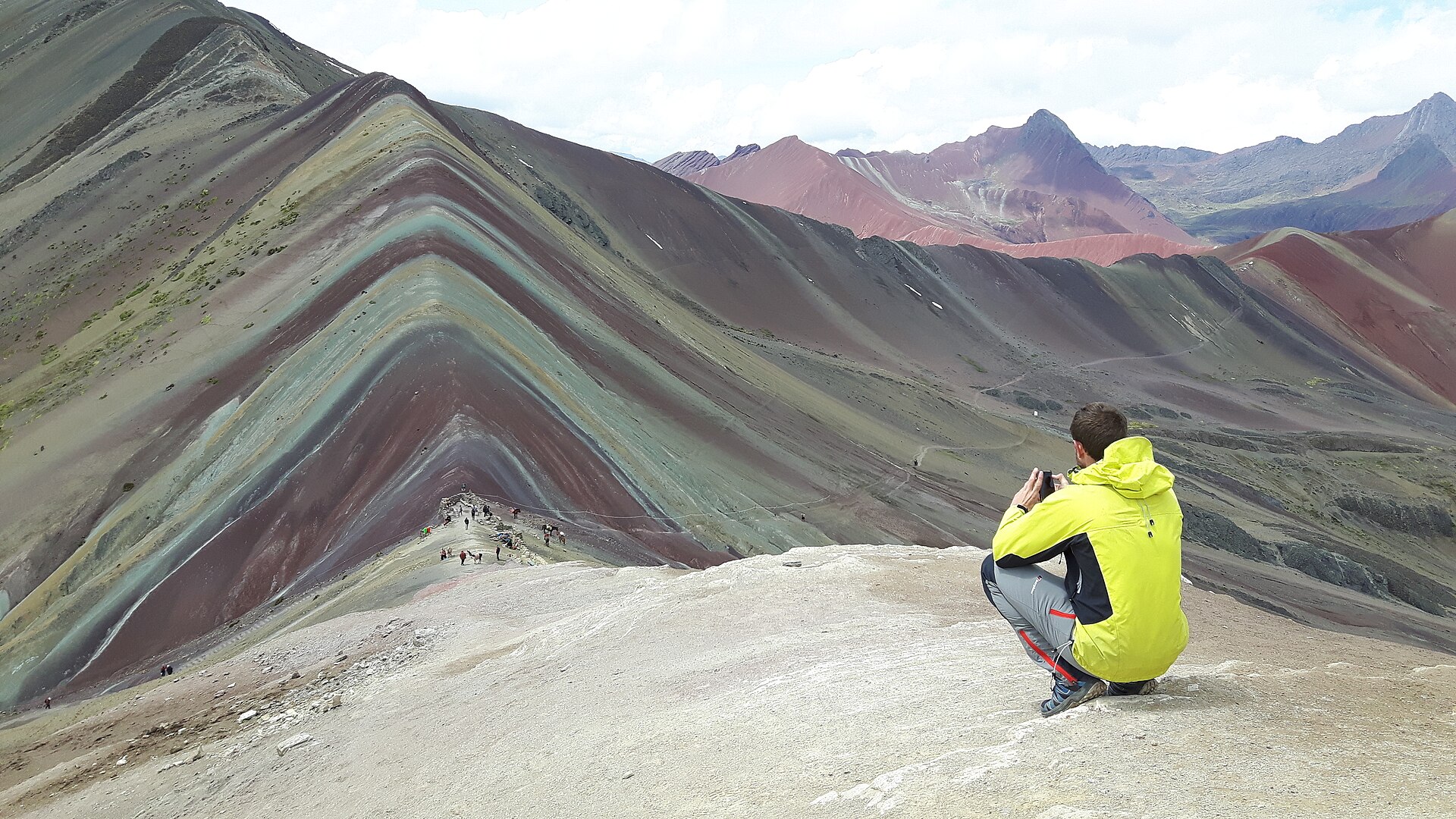
Rainbow Mountain and the Ausangate massif in the Peruvian AndesDifficult

Cusco & Sacred Valley, Peru

Ausangate & Rainbow Mountain Circuit

A high-altitude circuit around a sacred glaciated massif, taking in the naturally striped slopes of Rainbow Mountain along the way.

5 Days·5,200 m
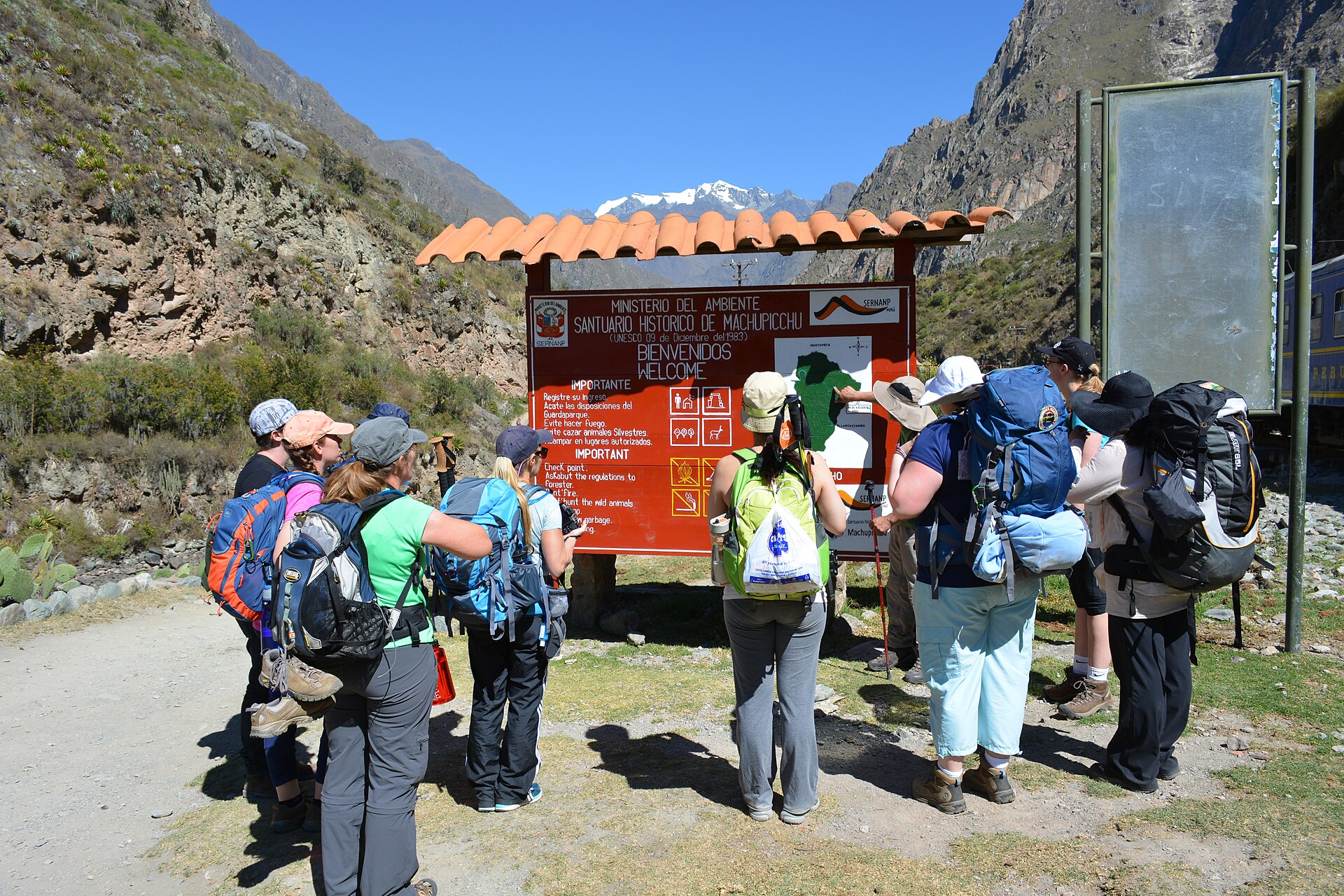
The Inca Trail approaching Machu Picchu, PeruDifficult

Cusco & Sacred Valley, Peru

Inca Trail to Machu Picchu

The classic four-day stone path built by the Inca, crossing Dead Woman's Pass to arrive at Machu Picchu through the Sun Gate at dawn.

4 Days·4,215 m
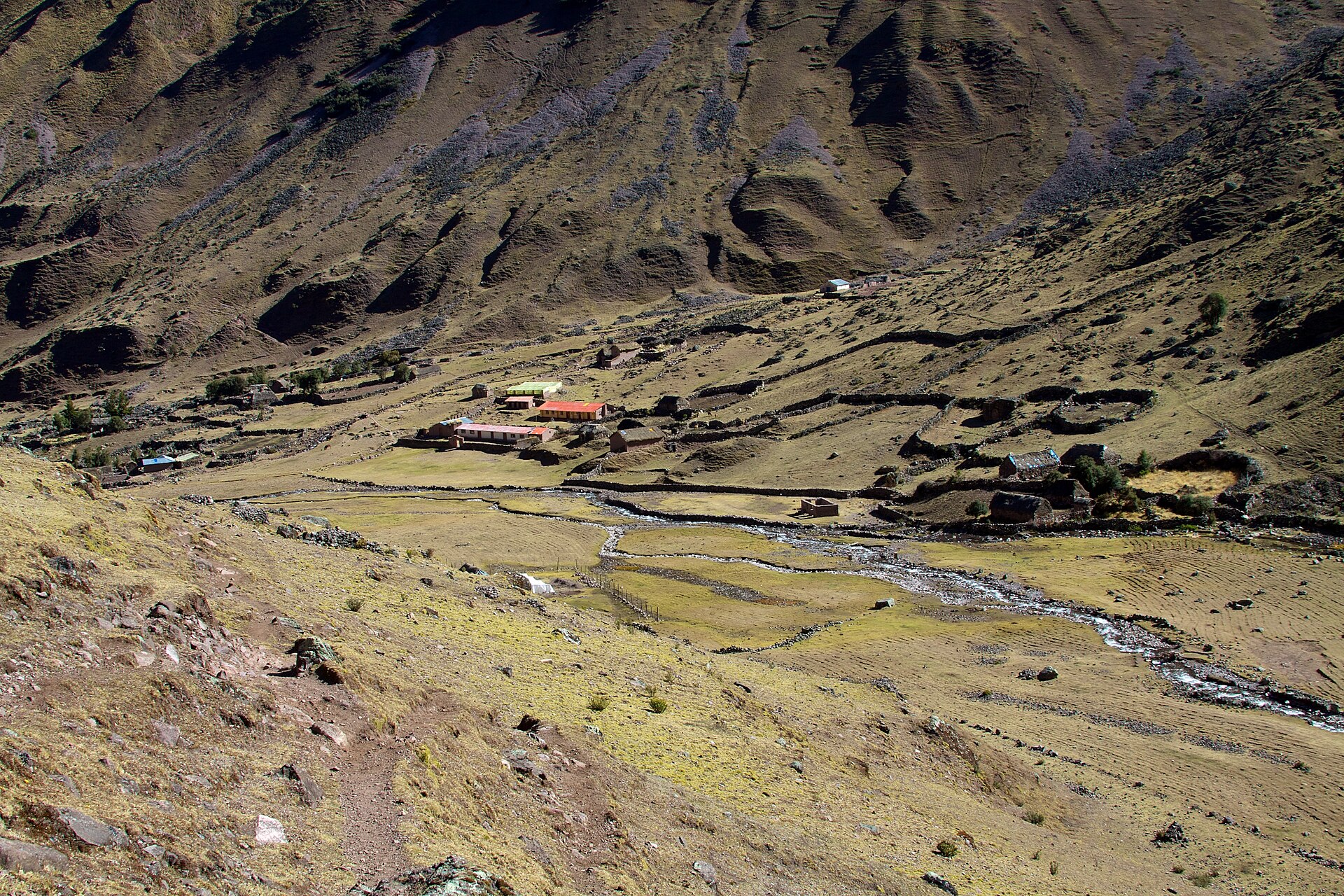
Quechua village and Andean landscape on the Lares trekking routeModerate

Cusco & Sacred Valley, Peru

Lares Trek

A quieter, culture-focused route through Quechua weaving villages and high passes, finishing in the Sacred Valley.

4 Days·4,600 m

Ready to trek Choquequirao Trek?

Share your travel dates and group size — we'll take care of permits, logistics, and local support.

Contact Us