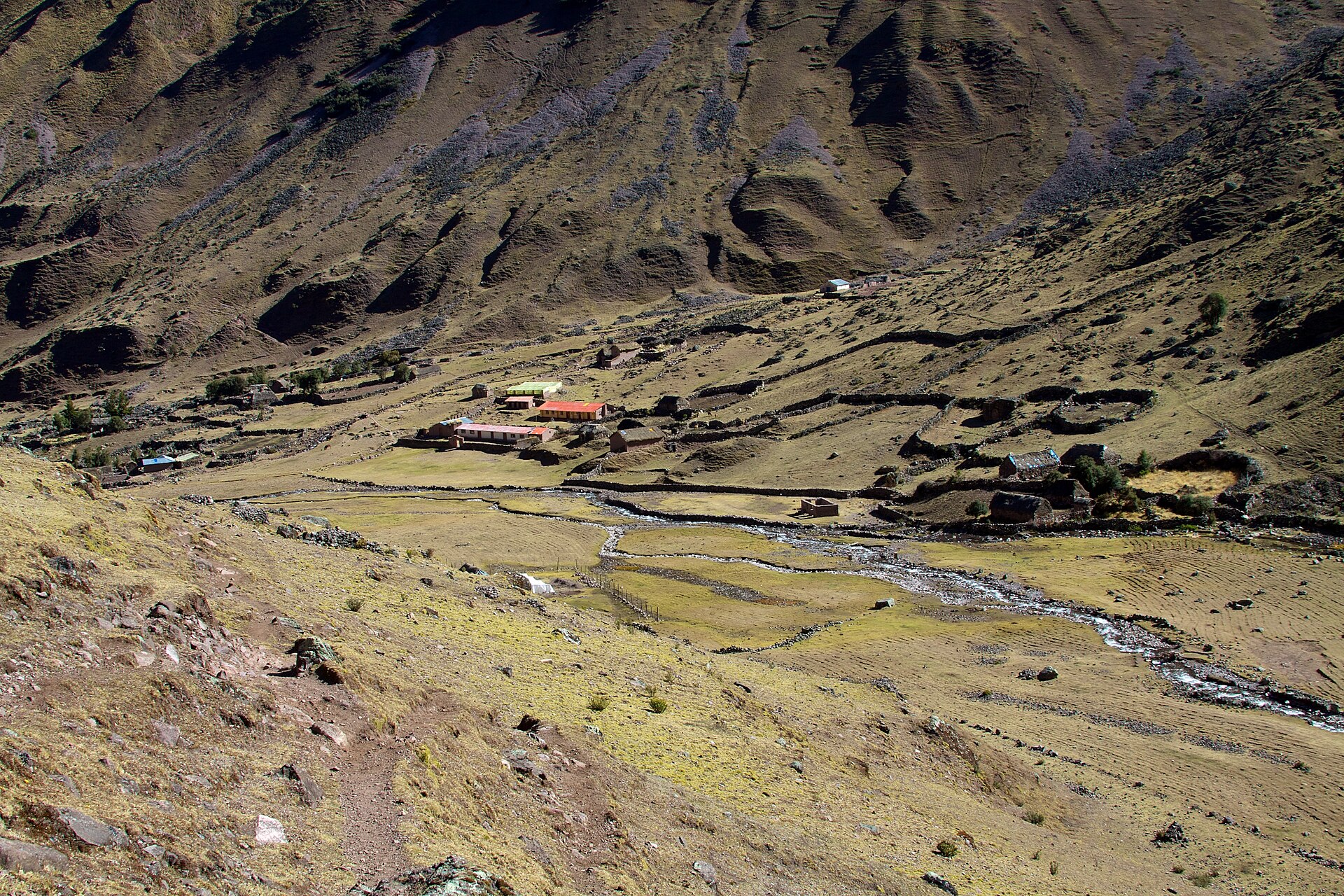
Of the region’s Inca Trail alternatives, Lares is the one built around culture rather than ruins. The route passes through Quechua communities still living much as their ancestors did — herding alpaca and llama at altitude, and weaving textiles using techniques and natural dyes passed down for generations — with far less tourist traffic than the corridor between Cusco and Machu Picchu.
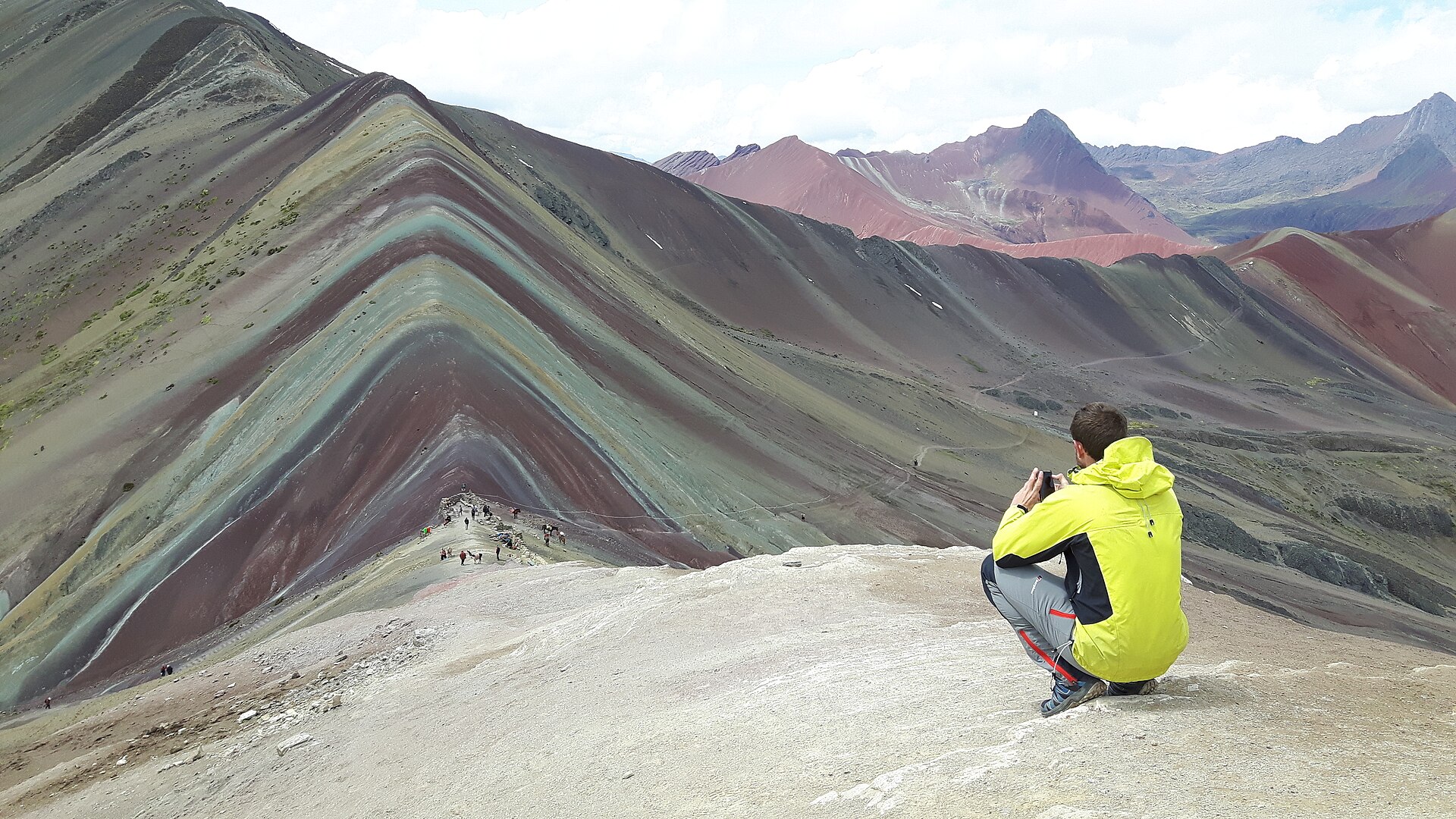
The trekking itself is genuinely scenic rather than a mere backdrop to the cultural stops: a high pass above 4,600m crosses between alpine lakes with views back over the Sacred Valley, and the descent through farming villages offers a level of everyday village contact that the busier routes don’t provide. A stop at the Lares hot springs on the first day is a welcome, low-key start before the altitude gain begins in earnest.
Because Lares doesn’t end at Machu Picchu directly, it’s often paired with a separate day for the citadel — finishing at Ollantaytambo and continuing by train the next day — but for trekkers prioritising cultural depth and a quieter trail over ruin-to-ruin hiking, it’s the strongest choice in the region. April through October is best, avoiding the wettest months when high passes turn slick.