Most Himalayan treks steer well clear of the monsoon; the Valley of Flowers is the exception that exists specifically because of it. Between July and September, seasonal rain transforms this glacier-carved valley in the Bhyundar range into a dense, shifting carpet of wildflowers — blue poppies, cobra lilies, Himalayan balsam, and marsh marigolds among the more than 300 recorded species — a spectacle rare enough to have earned the valley UNESCO World Heritage status as part of the Nanda Devi Biosphere Reserve.
The trek itself is comfortably moderate: a well-graded trail from Govindghat to the base village of Ghangaria, from which the valley is visited as a day trip (overnight stays inside the park aren’t permitted). Most trekkers pair the valley visit with a steep side trip up to Hemkund Sahib, a glacial lake and important Sikh pilgrimage site sitting at 4,300m — a genuinely tough half-day out-and-back that rewards with views over the lake and surrounding peaks.
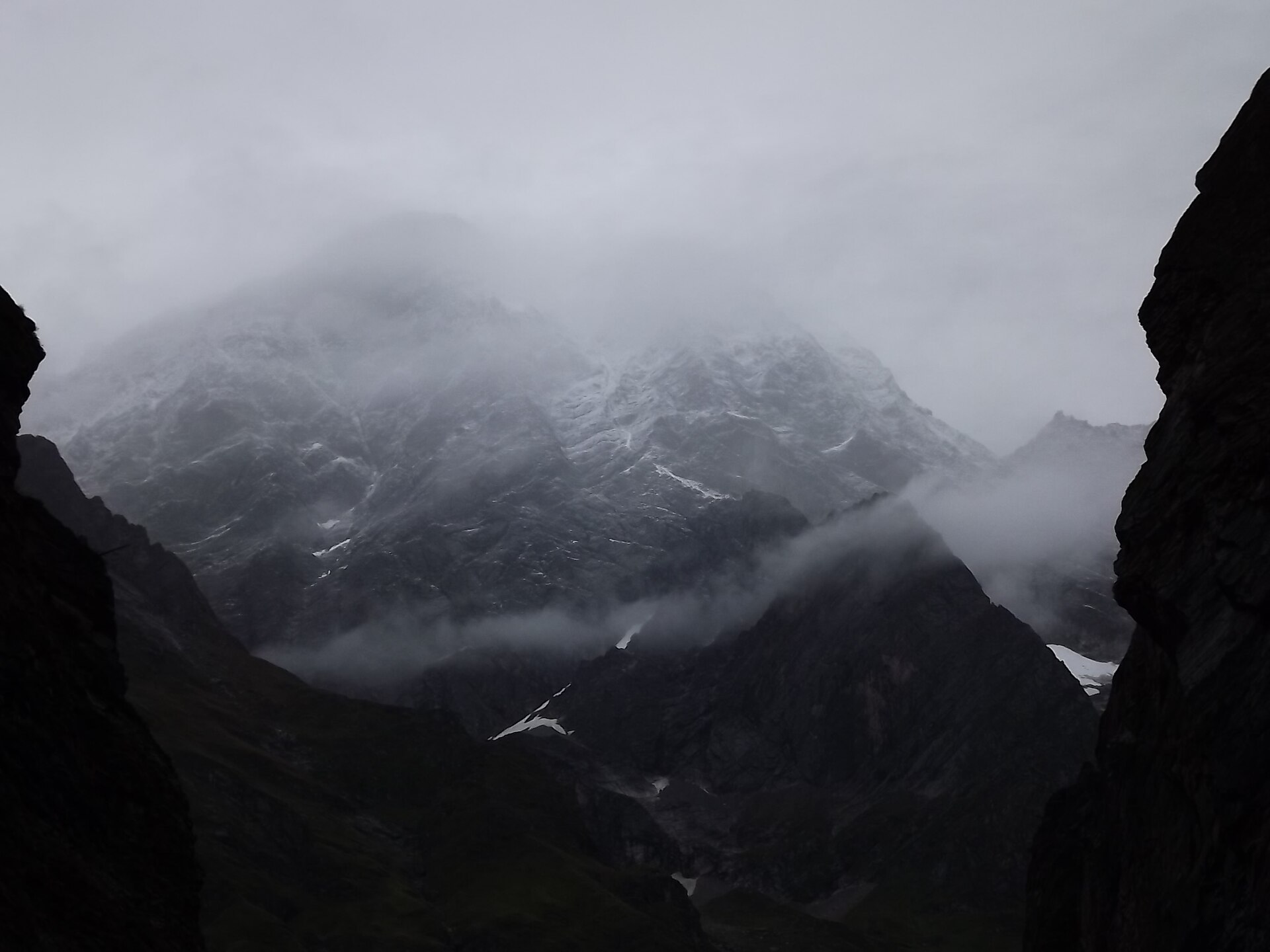
Because the whole trek runs during monsoon, expect rain, leeches on the lower trail, and cloud cover that can obscure views — conditions worth planning for rather than avoiding, since they’re exactly what makes the valley bloom.