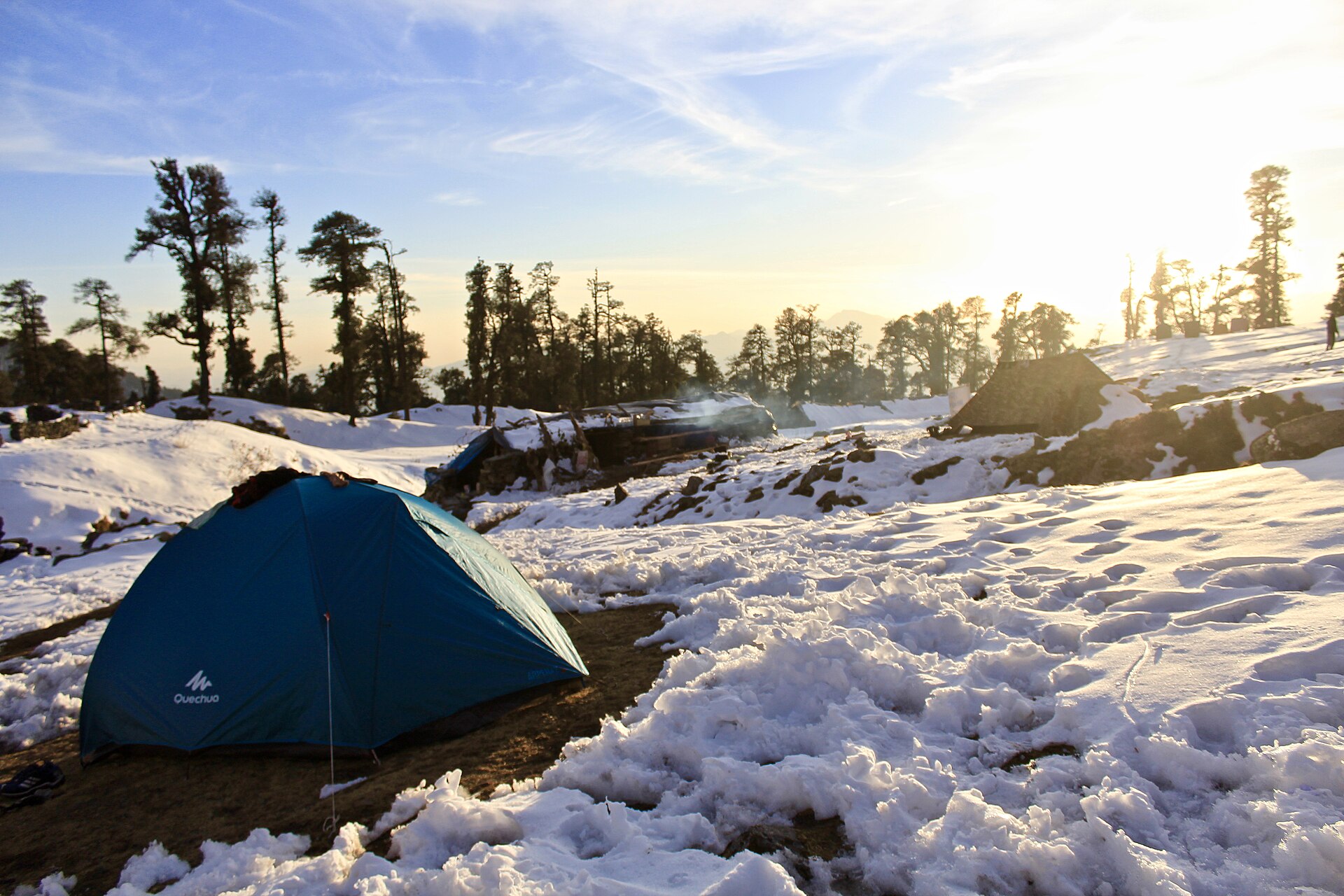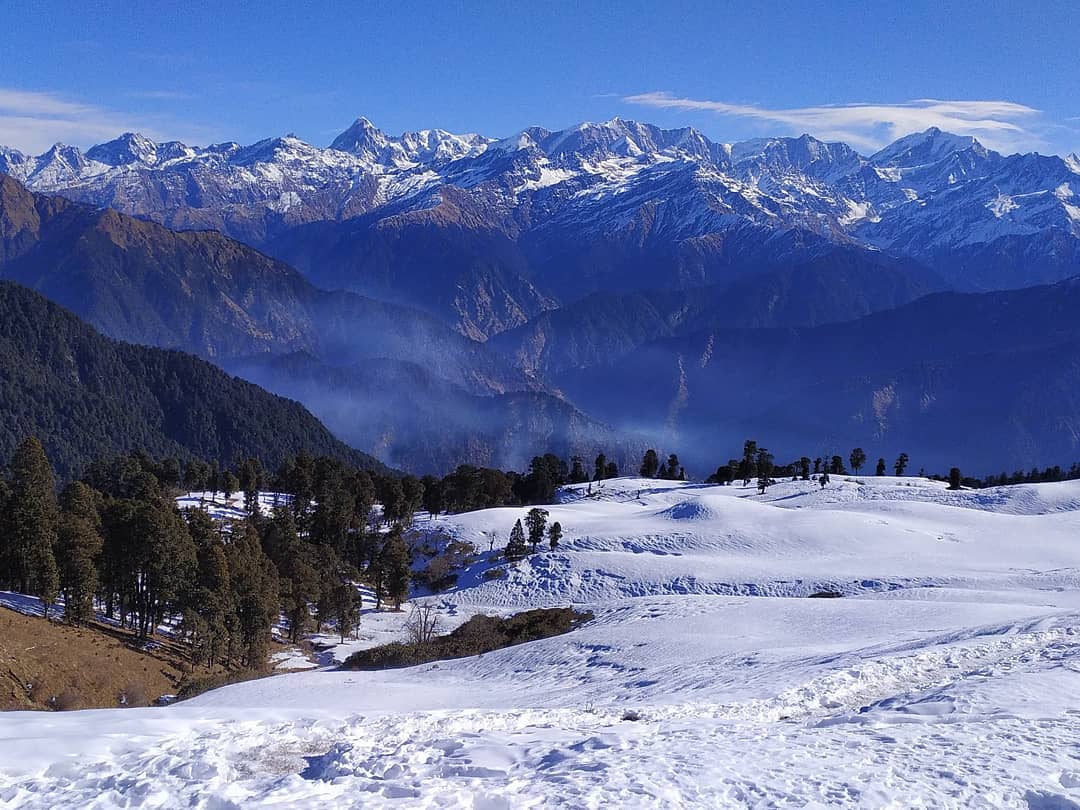
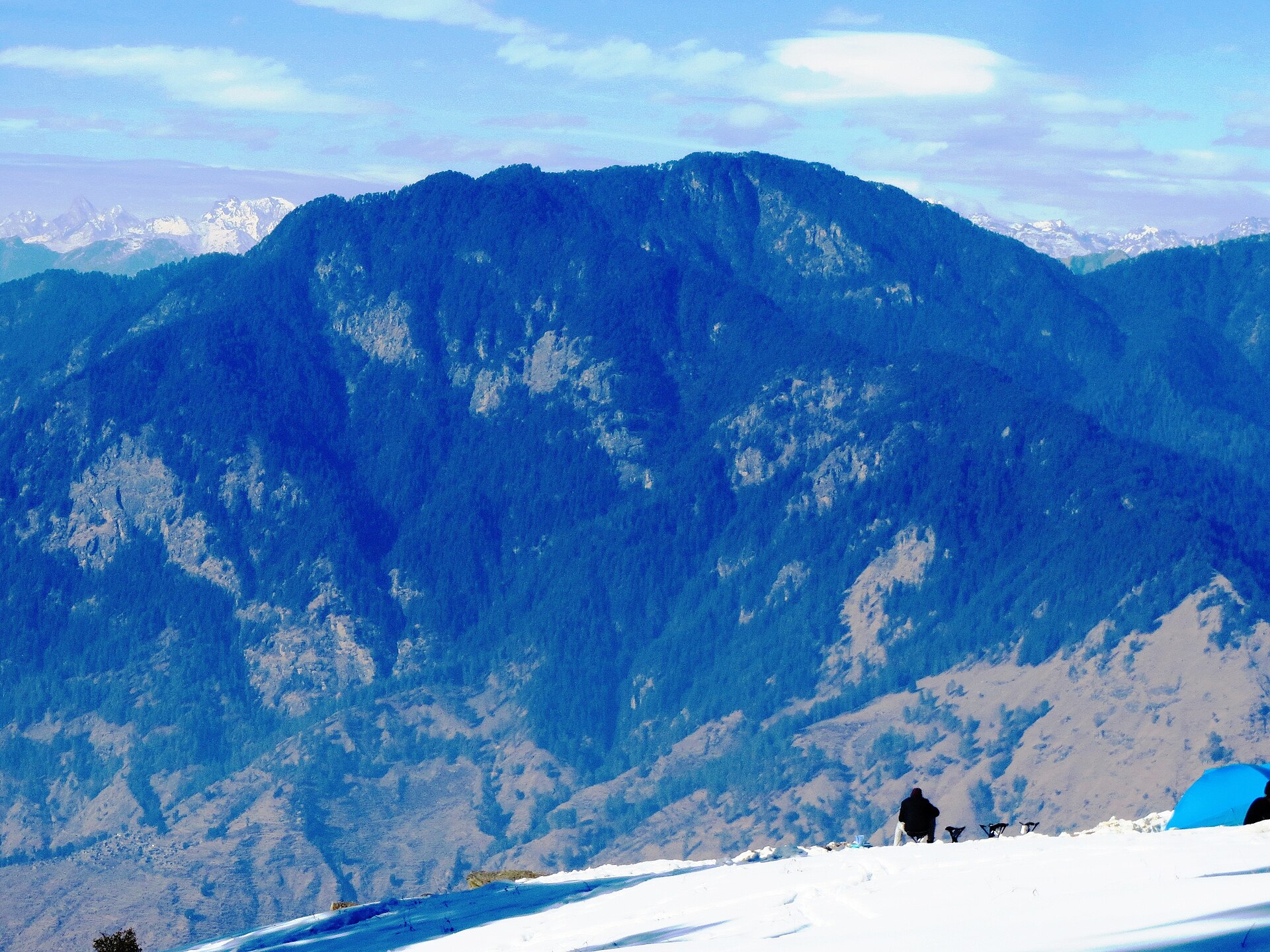
Kedarkantha has become the trek most Indian hikers try first for a reason: it delivers a genuine, snow-blanketed Himalayan summit experience without demanding technical mountaineering skills or a punishing number of trekking days. From December through March, the trail from Sankri climbs through forest that turns from bare pine needles to a thick carpet of snow within a day’s walk, culminating in a pre-dawn summit push that rewards trekkers with an open 360-degree view of the Swargarohini and Bandarpoonch ranges.
What makes the trek particularly well suited to first-timers is its gradual altitude gain — from Sankri’s 1,920m to the 3,810m summit over three days of ascent — paired with well-established campsites at Juda ka Talab and the base camp that have running trek operator support each winter. The final summit push is the only demanding stretch: a steep, often icy 3km climb best done with microspikes and trekking poles.
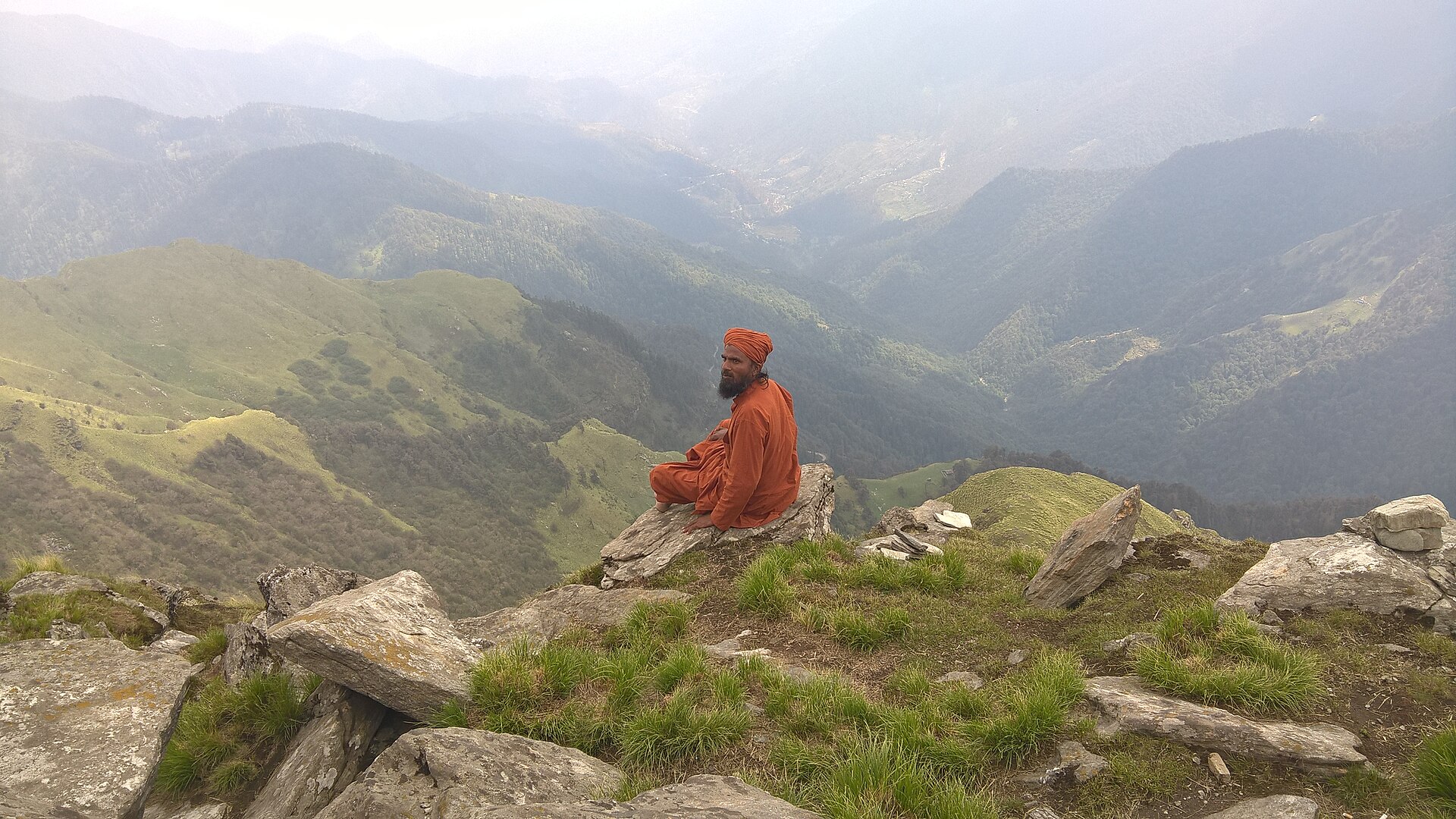
Outside the peak winter window, Kedarkantha is a quieter, greener trail through rhododendron and oak forest, though most trekkers specifically choose it for the snow.