Tripcamps
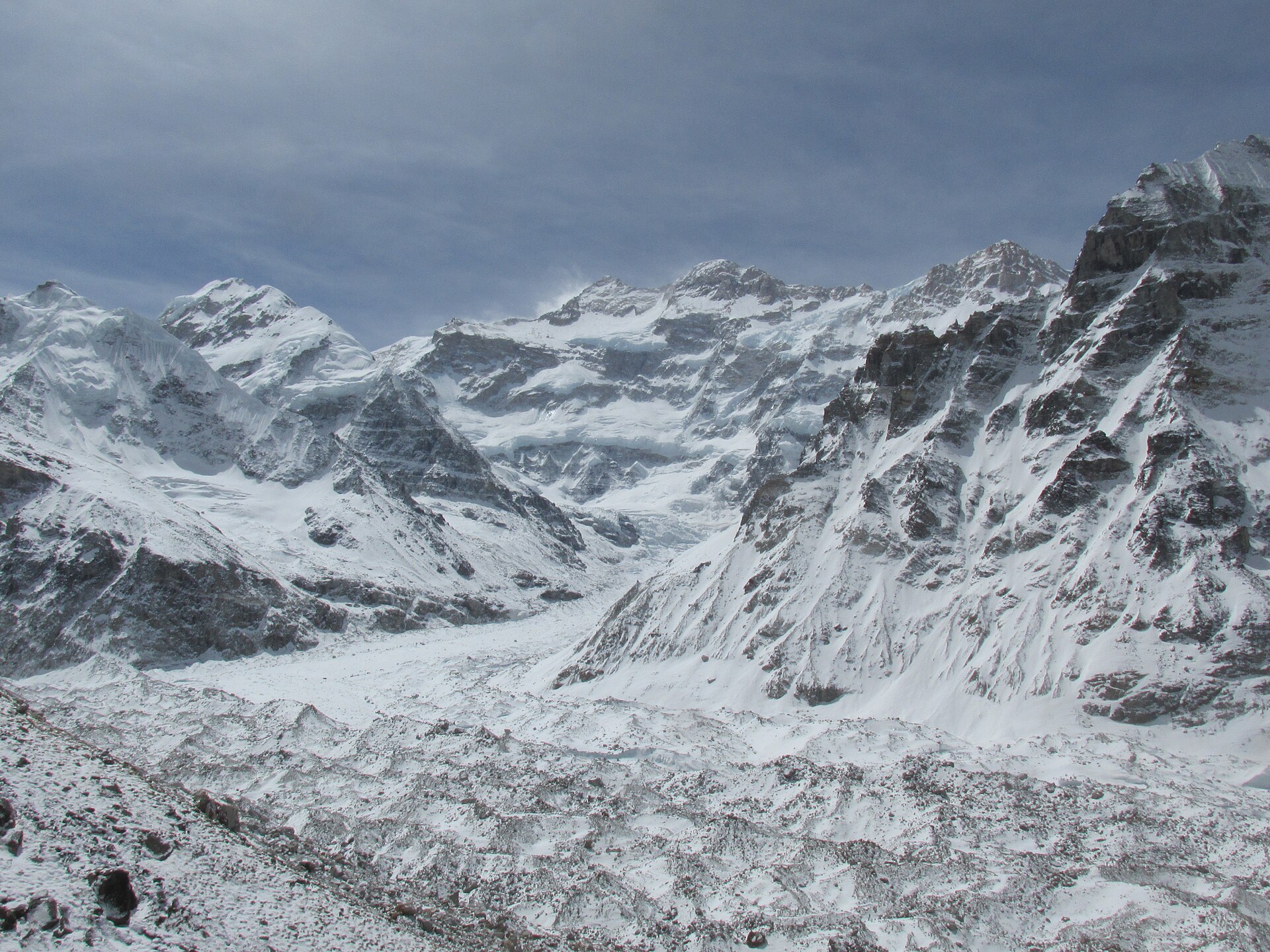
Kanchenjunga massif seen from the Nepal side base camp trail
Strenuous

Kanchenjunga Base Camp Trek

A remote, three-week expedition to the northern base camp of the world's third-highest mountain, in Nepal's least-crowded far east.

Photo: Danielvandermaas (CC BY-SA 4.0) · source

20 DaysDuration
5,143 mMax Altitude
180 kmDistance
March, April, May, September, October, NovemberBest Season

Tucked into Nepal’s far eastern corner, the Kanchenjunga region offers one of the most remote and least-crowded major treks in the entire country — a three-week expedition to the base of the world’s third-highest mountain, approached from the opposite side to the Goecha La trek that reaches Kanchenjunga from Sikkim, India.

The route follows the Tamor river valley from Taplejung through a changing landscape of farmland, dense forest, and Limbu and Rai villages before reaching Ghunsa, the upper valley’s main hub and a noticeably Tibetan-influenced settlement. From there, the trail climbs through increasingly stark, high-alpine terrain to Pang Pema, the north base camp, with a dramatically close view of Kanchenjunga’s north face.

At twenty days, minimal trekking infrastructure compared to Khumbu or Annapurna, and a mandatory restricted-area permit and guide requirement, this is a trek reserved for experienced, well-prepared trekkers — but for those seeking a genuinely wild, uncrowded major Himalayan trek, few routes in Nepal compare.

Highlights

  • Pang Pema (5,143m), the north base camp with a close view of Kanchenjunga's north face
  • One of Nepal's most remote trekking regions, bordering Sikkim and Tibet
  • Limbu and Rai villages rarely seen by outside trekkers
  • A genuinely different vantage point on Kanchenjunga from the Sikkim side treks

Day-by-Day Itinerary

  1. 1

    Day 1: Kathmandu to Bhadrapur, drive to Taplejung

    Fly to Bhadrapur in southeastern Nepal, then drive to the trailhead town of Taplejung.

  2. 2

    Day 2: Taplejung to Mitlung

    Begin trekking along the Tamor river valley to Mitlung.

  3. 3

    Day 3: Mitlung to Chirwa

    Continue up the valley through lower-altitude farmland.

  4. 4

    Day 4: Chirwa to Sekathum

    Trek deeper into the valley toward the restricted conservation area boundary.

  5. 5

    Day 5: Sekathum to Amjilassa

    Climb steeply into forested hill terrain.

  6. 6

    Day 6: Amjilassa to Gyabla

    Continue through rhododendron and bamboo forest.

  7. 7

    Day 7: Gyabla to Ghunsa

    Reach Ghunsa, a Tibetan-influenced village and the main hub of the upper valley.

  8. 8

    Day 8: Acclimatisation day in Ghunsa

    A rest day with a short acclimatisation hike.

  9. 9

    Day 9: Ghunsa to Khambachen

    Continue up the valley into higher alpine terrain.

  10. 10

    Day 10: Acclimatisation day in Khambachen

    A second rest day before pushing to the highest camps.

  11. 11

    Day 11: Khambachen to Lhonak

    Trek to Lhonak, the last camp before the base camp push.

  12. 12

    Day 12: Lhonak to Pang Pema (North Base Camp) and back

    Reach Pang Pema (5,143m), the north base camp, with close views of Kanchenjunga's north face, then return to Lhonak.

  13. 13

    Day 13: Lhonak to Ghunsa

    Begin the descent back down the valley.

  14. 14

    Day 14: Ghunsa to Sekathum

    Continue the descent, retracing the approach route.

  15. 15

    Day 15: Sekathum to Chirwa

    Continue down the Tamor valley.

  16. 16

    Day 16: Chirwa to Mitlung

    Continue the descent toward Taplejung.

  17. 17

    Day 17: Mitlung to Taplejung

    Complete the descent to Taplejung.

  18. 18

    Day 18: Buffer day

    A built-in buffer day for weather delays, common on this remote route.

  19. 19

    Day 19: Taplejung to Bhadrapur

    Drive back to Bhadrapur.

  20. 20

    Day 20: Fly Bhadrapur to Kathmandu

    Flight back to Kathmandu, concluding the trek.

How to Reach

Bhadrapur is reached by a short flight from Kathmandu, followed by a full day's drive to Taplejung, the trailhead town.

Permits & Essentials

A restricted area permit (with a required minimum group size and mandatory guide) and Kanchenjunga Conservation Area permit are both required, arranged through a registered trekking agency well in advance.

Ready to trek Kanchenjunga Base Camp Trek?

Share your travel dates and group size — we'll take care of permits, logistics, and local support.

Contact Us